Commercial roof leaks around HVAC units are frequently associated with damaged flashing, deteriorating roofing membranes, poorly sealed penetrations or drainage problems near rooftop equipment. However, water appearing below a rooftop unit can also originate from the HVAC system itself.
Identifying the source is essential because a roofing repair will not resolve a mechanical condensate problem, and HVAC servicing will not correct damaged roof waterproofing.
For commercial building owners and facility managers in Toronto and the Greater Toronto Area, understanding these differences can help prevent recurring leaks, protect building interiors and avoid unnecessary repairs.
Why Commercial Roofs Can Leak Around Rooftop HVAC Equipment
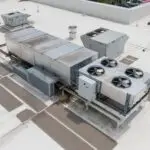
Rooftop heating, ventilation and air-conditioning equipment introduces several connections that interrupt an otherwise continuous roofing system. Commercial flat roofs are designed to resist water infiltration, but openings must be created for ventilation, electrical connections, equipment supports and other building systems.
Each opening requires appropriate waterproofing.
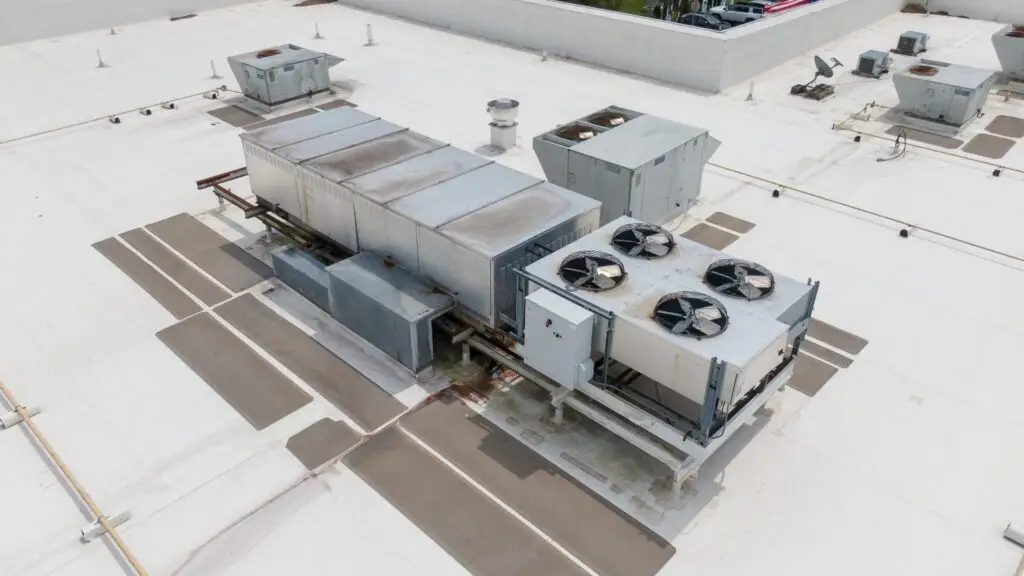
Many rooftop HVAC units sit on a raised structure called a roof curb. The curb supports the equipment and provides a connection between the unit, the roof opening and the surrounding roofing membrane. The roofing system must be properly sealed around this curb to prevent water from reaching the building interior.
Potential problems develop when:
- Flashing separates from the equipment curb
- Roofing membranes deteriorate around the unit
- Sealants crack or lose adhesion
- Electrical or mechanical penetrations become exposed
- Drainage patterns direct water toward vulnerable connections
- Maintenance activity damages the surrounding roof
- Condensate drainage components leak or become blocked
These problems may produce similar symptoms inside the building, even though they require different types of repairs. Dominion Roofing provides commercial flat roof repair and replacement services for properties experiencing membrane damage, roof leaks and other waterproofing concerns.
Common Flashing and Roof Penetration Problems
Flashing around rooftop equipment is designed to create a weather-resistant transition between the roof membrane and the equipment curb or other penetration. Because several materials and connections meet in a relatively small area, careful installation and maintenance are necessary.
Failed HVAC Curb Flashing
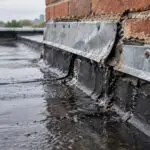
Curb flashing protects the transition between the roofing system and the raised structure supporting an HVAC unit. If this flashing separates, cracks or becomes damaged, water may enter behind the membrane and reach the opening beneath the equipment.
Signs of concern may include visible gaps, loose metal components, deteriorated membrane edges or previous patches that are no longer watertight. A roofing contractor should examine the complete curb connection before recommending repairs.
Damaged Roof Membrane
Commercial roofing membranes may develop punctures, splits, open seams or areas of deterioration. Damage near HVAC equipment can be especially problematic because water entering beneath the membrane may travel toward the curb or other roof openings.
Some damage is visible on the surface. Other problems may require closer investigation. The repair method will depend on the existing roofing material, the condition of the surrounding membrane and whether moisture has affected the underlying assembly.
Deteriorating Sealants
Sealants may be used at certain equipment connections, metal joints and other specified details. Exposure to weather, temperature changes and building movement can contribute to sealant deterioration. An open sealant joint may permit water infiltration, but applying another layer of caulking is not necessarily the correct repair.
If the flashing assembly is defective, the underlying detail may need to be rebuilt.
Unsealed Roof Penetrations
Rooftop equipment may require electrical conduits, pipes, ventilation ducts and other connections through the roof. Each penetration should be properly integrated with the waterproofing system.
Openings around these components can allow water to enter even when the main roofing surface remains in good condition.
How to Tell an HVAC Leak From a Roofing Leak
Water below a rooftop HVAC unit does not always mean the roof itself is leaking. One of the most useful diagnostic steps is to compare when the water appears with weather conditions and equipment operation.
The following observations can help identify where an investigation should begin.
| Observation | Possible Source | Recommended Next Step |
| Water appears during heavy rain | Curb flashing, roof membrane or penetration | Roofing inspection |
| Water appears mainly while cooling equipment operates | Condensate drainage or equipment components | HVAC inspection |
| Water appears after snow melts | Roofing connections, drainage or equipment details | Roofing and possibly HVAC inspection |
| Leak begins after rooftop equipment work | Disturbed flashing, penetrations or mechanical connections | Review recent work and inspect both systems |
| Water stains recur despite sealant repairs | Unresolved water-entry path or hidden moisture | Comprehensive leak investigation |
These patterns are clues rather than definitive tests. For example, a blocked condensate line may release water while the air-conditioning system is operating, independently of rainfall.
Conversely, a failed equipment curb connection may allow rainwater into the building even when the HVAC system is turned off. A building may also have more than one problem at the same time.
The location of the interior stain should not be treated as proof that the opening is directly above it. Water can travel along structural elements, roofing components and other concealed surfaces before becoming visible. When the source remains uncertain, coordinated inspection by qualified roofing and HVAC professionals may be the most effective approach.
What Happens When Equipment Curbs and Seals Deteriorate
An equipment curb is an important part of the interface between a commercial roof and a rooftop HVAC unit. The curb must support the equipment while allowing the roofing system to form a durable waterproof connection.
Problems can develop if the flashing is damaged, the termination becomes exposed or the curb arrangement does not adequately accommodate the surrounding roofing system.
Water Enters Behind the Flashing
A gap between the curb and its flashing may allow water to enter behind the roofing membrane. Once beneath the membrane, water may affect insulation, decking or other concealed materials. The visible leak may appear some distance from the damaged connection.
Water Collects Near the Equipment
Roof drainage can also influence the performance of equipment connections. If a rooftop unit, support structure or surrounding construction creates an obstruction, water may collect in nearby low areas.
Commercial flat roofs are designed to drain, but blocked outlets, debris and drainage deficiencies can contribute to standing water. Persistent ponding can increase exposure at existing defects and may require drainage corrections in addition to membrane repairs.
Previous Repairs Become Unreliable
A history of repeated sealant applications or overlapping patches may indicate that the underlying problem has not been addressed. An effective repair needs to correct the actual water-entry path and integrate properly with the existing roof system.
This is one reason a professional commercial roof inspection can be valuable before authorising further repairs.
Why HVAC Servicing Can Create Roofing Vulnerabilities
Rooftop equipment requires periodic maintenance, inspection and occasional replacement. These activities are necessary for building operations, but they can also affect nearby roofing materials if appropriate precautions are not taken.
Foot Traffic Around Equipment
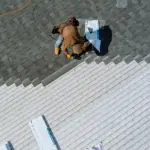
Technicians may access rooftop HVAC equipment several times a year. Repeated traffic over vulnerable roof surfaces can contribute to wear, particularly where tools, equipment panels or other materials are placed directly on the membrane.
On some roofs, designated walkway pads or protective surfaces can help reduce damage in areas receiving regular maintenance traffic. The appropriate protection should be compatible with the roofing system.
Equipment Replacement
Replacing a rooftop HVAC unit can involve lifting equipment, modifying connections or adjusting the existing curb. The work may disturb flashing or require new roof penetrations. If the roofing details are not properly reinstated, water can enter around the equipment after installation.
It is advisable to involve a qualified roofing contractor when equipment replacement requires modifications to roofing materials or waterproofing components.
New Mechanical or Electrical Penetrations
Additional conduits, refrigerant lines or other mechanical connections may require new openings through a roof. Improperly sealed penetrations can become sources of future leaks.
The contractor creating or modifying the penetration should coordinate the waterproofing details with the roofing contractor and the requirements of the existing roof system.
Debris Left Around Equipment
Maintenance work can leave loose materials, fasteners or other debris on a roof. Sharp objects may damage membranes, while accumulated debris can interfere with drainage. Facility managers should ensure that rooftop work areas are left clean and that any concerns about the roofing system are reported promptly.
When to Call a Roofing Contractor or an HVAC Technician
Choosing the correct professional begins with understanding the likely source of the water.
A commercial roofing contractor should be contacted when there are indications of:
- Damaged roofing membranes or open seams
- Loose or deteriorating curb flashing
- Leaks associated with rainfall
- Poor drainage around rooftop equipment
- Water infiltration following modifications to roofing materials
- Moisture entering through roof penetrations
An HVAC technician should investigate when the symptoms suggest:
- Blocked or leaking condensate lines
- Overflowing condensate pans
- Water appearing primarily during equipment operation
- Mechanical drainage or equipment-related defects
When the cause is unclear, both trades may need to coordinate. This is particularly relevant when a roof leak appears after a rooftop unit has been repaired, replaced or modified. Facility managers should also retain service records and identify any recent rooftop work that may help establish when the problem developed.
Dominion Roofing provides commercial roof repair services in Toronto and surrounding communities, including repairs to commercial flat roofing systems.
How Commercial Roof Leaks Should Be Investigated and Repaired
Commercial roof leak repairs should begin with an assessment of the affected area and the surrounding roofing system. A contractor may need to examine flashing, membrane seams, rooftop penetrations, drainage conditions and the extent of any concealed moisture.
Once the source has been identified, the repair may involve several different approaches.
Localised membrane repair: Damaged roofing material may be repaired or replaced where the surrounding system remains in good condition.
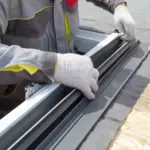
Flashing replacement: Failed curb flashing may need to be removed and rebuilt using compatible materials and an appropriate termination detail.
Penetration waterproofing: Openings around pipes, conduits or other components may require properly designed flashing or sealing systems.
Drainage correction: Blocked drains or roof conditions contributing to standing water may need attention.
More extensive roofing work: If water has affected a larger area of insulation or the existing roof is significantly deteriorated, additional repairs or replacement may be necessary.
Repair costs vary according to the roof type, equipment accessibility, extent of damage and work required. An estimate should explain the suspected source of the leak, the proposed repairs and whether additional investigation is necessary.
Building owners should also confirm whether any proposed work could affect existing manufacturer or contractor warranties.
Preparing Rooftop Equipment and Surrounding Roofing for Winter
October is a useful time for commercial property owners in Toronto and the GTA to review roof conditions before winter. Rooftop equipment connections may be exposed to rain, accumulated snow, ice and changing temperatures throughout the colder months. A pre-winter review should consider the condition of the roof around the equipment, not simply whether the HVAC system is operating properly.
Useful maintenance priorities include:
- Inspecting visible flashing and membrane connections around equipment curbs.
- Checking accessible roof drains and drainage paths for debris.
- Reviewing areas of previous leaks or repairs.
- Identifying penetrations added during recent mechanical work.
- Ensuring rooftop service areas are free of loose materials.
- Documenting visible concerns for a roofing professional.
Building owners and facility managers should not attempt unsafe rooftop inspections, work near unprotected roof edges or open equipment without appropriate qualifications. For properties with recurring maintenance requirements, Dominion Roofing offers annual commercial roof maintenance services that include roof assessments, attention to minor deficiencies and reports to help owners plan future work.
Protect Your Commercial Roof From Recurring Leaks
A leak near rooftop HVAC equipment can involve the roofing membrane, curb flashing, drainage system, mechanical equipment or several components working together. The most effective solution begins by identifying the actual source instead of repeatedly applying temporary patches.
For commercial building owners, prompt investigation can help limit water damage, protect interior operations and support better maintenance planning. Dominion Roofing provides commercial roof inspections, repairs and maintenance services throughout Toronto and the GTA.
If you’ve noticed water infiltration around rooftop equipment, contact Dominion Roofing to arrange an inspection and determine whether the roofing system requires repairs.
Frequently Asked Questions
Why is my commercial roof leaking around an HVAC unit?
Leaks around rooftop HVAC units may result from damaged curb flashing, membrane defects, open penetrations or mechanical drainage problems. The cause must be identified through inspection because roofing and HVAC defects can produce similar interior water stains.
Can a rooftop HVAC unit cause a roof leak?
Yes, rooftop HVAC equipment can contribute to roof leaks when its supports, penetrations or surrounding waterproofing connections are compromised. Equipment operation can also produce condensate-related leaks that require mechanical rather than roofing repairs.
Who is responsible for repairing flashing around rooftop equipment?
A qualified commercial roofing contractor should generally handle repairs to roofing membranes and waterproofing flashing around equipment curbs. Responsibility for arranging or paying for the work depends on the building’s contracts, warranties and circumstances, particularly when the damage follows equipment servicing.
Can damaged flashing be repaired without replacing the entire roof?
Yes, localised flashing repairs may be possible when the surrounding roofing system remains suitable for repair. More extensive work may be required if damage extends into adjacent membranes, insulation or underlying roofing materials.
Should the roof be inspected after a rooftop HVAC unit is replaced?
A roofing inspection is advisable when HVAC replacement work affects a roof curb, flashing, membrane or penetration. Checking the waterproofing after the work can help identify disturbed connections before they cause interior water damage.