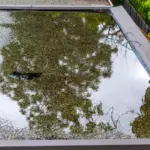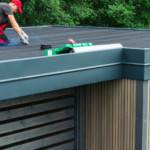
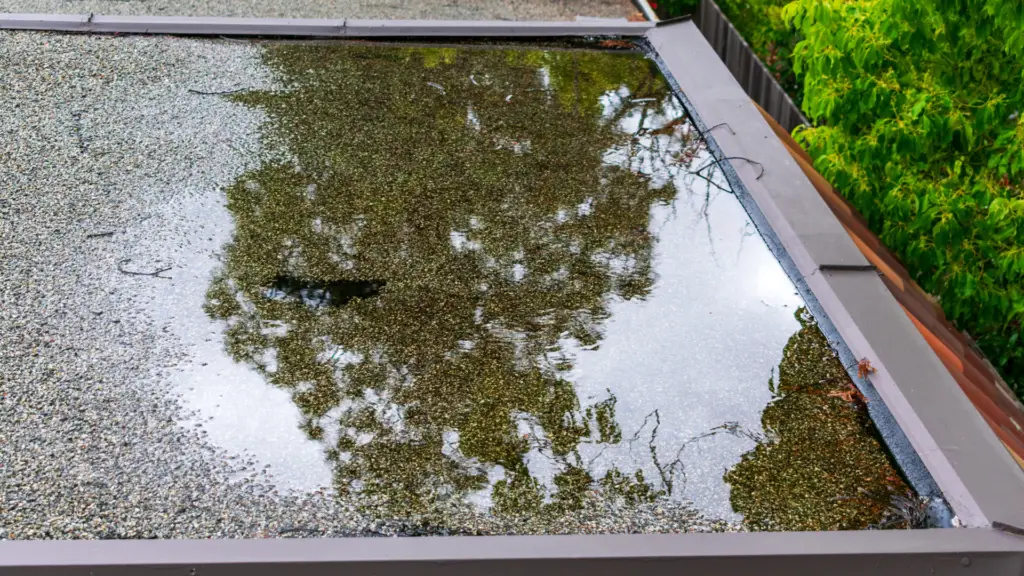
Ponding water on flat roof surfaces is not automatically an emergency, but water that remains after the roof has had a reasonable chance to drain and dry can signal a drainage or roofing problem. A common industry benchmark is 48 hours after rainfall under drying conditions. If standing water is still present beyond that point, or the same puddles return after every storm, the roof should be assessed rather than ignored.
Flat roofs are designed with enough slope and drainage to move water toward roof drains, scuppers, gutters or other outlets. They may look level from the ground, but a properly functioning system should not behave like a shallow pool. Dominion Roofing identifies roof drains, scuppers and other drainage details as important parts of a properly functioning flat-roof system.
How Long Is Too Long for Ponding Water on a Flat Roof?
Water that lingers briefly after heavy rain can be normal. Persistent ponding is different.
The National Roofing Contractors Association has long used 48 hours after rainfall, under conditions that allow drying, as a practical benchmark for evaluating drainage on membrane roof systems. Dominion Roofing also uses the 48-hour definition in its commercial roofing guidance.
That does not mean every puddle that reaches hour 49 has caused roof damage. The more useful question is whether the water is repeatedly staying in the same area because the roof is not draining as intended.
Pay closer attention when:
- The same low spots hold water after most rainfalls
- Water remains for two days or longer in otherwise drying weather
- The ponded area is getting larger or deeper
- Debris repeatedly collects around a drain or scupper
- The membrane is blistered, cracked, wrinkled or pulling at seams
- Ceiling stains, damp insulation or interior leaks appear
- The roof surface looks visibly depressed or sagged
Large or unusually deep areas of standing water, especially where the roof appears to be deflecting, should be assessed promptly. Water adds load to the roof structure, and the cause may involve more than a blocked drain. NRCA guidance identifies structural deflection as one condition that can contribute to poor drainage and recurring low areas.
What Causes Water to Pool on a Flat Roof?
Ponding water usually develops because water cannot reach an outlet quickly enough or because a low area has formed in the roof surface. The repair depends on which of those conditions is actually causing the problem.
Blocked Roof Drains or Scuppers
Leaves, gravel, dirt and other debris can collect around roof drains, strainers and scuppers. A drain may also appear clear at the surface while a restriction exists farther down the drainage line.
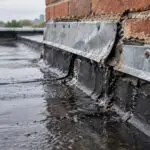
A surface photo can show where water is collecting, but it cannot confirm whether the cause is a blocked outlet, a drainage-line restriction or a low spot in the roof assembly. The outlet, surrounding membrane and drainage path all need to be checked.
Dominion notes that flat roofs rely on drainage details such as scuppers and roof drains because they do not shed water as quickly as pitched roofs.
Insufficient Slope
A flat roof is technically a low-slope roof. Its surface should guide water toward the drainage system.
If the roof deck, insulation or finished membrane does not create an effective path to the drain, water can remain in low spots. The NRCA identifies several ways slope can be created, including sloped structural framing, tapered insulation and properly positioned drains or scuppers.
On an existing roof, correcting slope can be more involved than clearing debris. The contractor first has to determine why that area is low and how the roof assembly is built.
Settling, Deflection or Compressed Insulation
A roof can develop drainage problems even if it originally drained properly. Structural movement, deck deflection, compressed insulation and repeated rooftop traffic can change the surface elevation enough to create a depression.
NRCA guidance specifically notes that structural deflection and compressed insulation can contribute to concave areas where water accumulates.
This is why recurring ponding deserves more attention than a one-time puddle after an extreme downpour.
Poor Drainage Around Rooftop Equipment and Penetrations
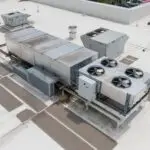
HVAC equipment, curbs, vents, skylights and other penetrations interrupt the normal path of water. Small elevation changes can create areas where runoff slows or becomes trapped.
The solution may involve improved drainage detailing, a cricket or tapered insulation that redirects water, membrane repair, or changes around the penetration. NRCA guidance recognizes tapered insulation and drainage placement as established methods for creating positive drainage on low-slope roofs.
What Damage Can Ponding Water Cause?
Persistent ponding can shorten the margin for error in a flat roof system. The concern is repeated exposure: water that stays over the same seams, flashing, membrane and drain details for extended periods can magnify existing weaknesses.
Membrane Wear
Roof membranes are designed to resist weather, but prolonged standing water can place certain systems and details under conditions they were not intended to experience continuously. Manufacturer requirements vary by membrane type and warranty, and industry guidance shows that acceptable ponding duration can differ between roofing systems.
That is why the roofing material and system should be identified before someone recommends a repair.
Leaks at Seams, Flashings and Penetrations
Water that remains in one area keeps seams, drain connections and flashing details exposed for longer periods. If a weak point already exists, ponding can make that weakness easier to find.
A ceiling stain may not appear directly below the problem. Water can travel within a roof assembly before becoming visible indoors, which Dominion also notes in its guidance on roof leaks.
Wet Insulation and Hidden Moisture
Once water gets through the waterproofing layer, insulation and other parts of the roof assembly may become wet. A surface patch can stop an obvious opening without necessarily addressing moisture already trapped below the membrane.
Depending on the roof and the symptoms, a professional assessment may include targeted moisture investigation before the repair scope is finalized.
Freeze-Thaw Stress
A drainage problem found in August does not disappear when summer ends. Water that repeatedly collects in the same low area can still be present when colder temperatures arrive.
Toronto roofs are exposed to freeze-thaw conditions as temperatures change through the colder months, and Dominion identifies those cycles as one of the conditions that can expose weak points in local roof systems.
Addressing recurring drainage problems before late fall can prevent an existing roofing weakness from simply being carried into another winter.
Can Flat Roof Drainage Problems Be Repaired?
Many ponding problems can be corrected without replacing the entire roof. The right repair starts with finding the cause rather than covering the puddled area with another layer of material.
Possible repairs can include:
- Clearing or servicing blocked drains and scuppers
- Repairing the membrane around drain assemblies
- Correcting damaged seams or flashing
- Adding or adjusting tapered insulation to improve slope
- Creating crickets that direct water around rooftop equipment
- Modifying drainage details where the existing layout is ineffective
- Replacing localized wet or damaged roofing components
Clearing a blocked drain can be straightforward, while correcting inadequate slope may require tapered insulation or work that is more practical during reroofing. NRCA guidance similarly recognizes that drainage corrections can involve combinations of tapered insulation, changes to drains or scuppers, structural slope and other design measures.
For commercial properties, a commercial roof inspection can evaluate the roof condition, drainage and other critical parts of the system before a repair plan is chosen. Dominion describes drainage as one of the elements reviewed during its commercial roof inspections.
When Does Ponding Mean You Need Roof Repair or Replacement?
Ponding water does not automatically mean the roof needs to be replaced. Repair is often reasonable when the problem is localized, the membrane is otherwise serviceable and the drainage issue can be corrected without rebuilding large sections of the roof.
Replacement becomes a more realistic discussion when ponding is one part of a broader failure pattern. That may include widespread membrane deterioration, repeated leaks, saturated roofing components, multiple low areas, extensive seam failure or a roof assembly that cannot be properly re-sloped through a targeted repair.
Dominion provides flat roof repair and replacement for inspection, repair, maintenance and replacement needs. The important point is to determine which level of work the roof actually requires rather than assuming that every drainage problem calls for a new system.
If an active leak or damaged section is already present, Dominion’s roof repair services also address flat roof leaks, drainage issues and ponding water.
What Should You Do After You Notice Standing Water?
Document the problem first, then arrange an inspection if the water persists or keeps returning. You do not need to climb onto a wet roof to gather useful information.
From a safe location, note:
- When the rain stopped
- Where the ponding appears
- Whether the same area has held water before
- Approximately how long the water remains
- Whether you can see debris around an outlet
- Whether there are new ceiling stains, drips or damp areas inside the building
Photos taken from a safe vantage point after the rain and again a day or two later can help show how quickly the area drains.
Do not puncture the membrane, cut a drain opening, apply random sealant or walk through a deep pond to investigate. Dominion’s storm guidance likewise advises property owners not to climb onto wet or potentially damaged roofs when conditions are unsafe.
Why August Is a Good Time to Check Flat Roof Drainage
Late summer gives property owners a useful opportunity to find drainage problems while rainfall can still reveal them and before fall debris starts collecting around roof outlets.
Dominion’s recent storm and leak guidance highlights heavy rain, drainage problems and flat roof ponding as issues that can surface after severe weather. An August inspection can therefore be practical when the same areas have stayed wet after recent storms, especially on commercial roofs with internal drains or multiple rooftop penetrations.
Routine commercial roof maintenance can also help keep drainage issues from being discovered only after a leak develops. Dominion’s maintenance service includes flat-roof assessment and reporting.
The Bottom Line on Ponding Water
A shallow puddle shortly after a storm is not the same as recurring ponding water. The key warning signs are duration, repetition, increasing depth and any evidence that the membrane, drainage system or roof surface is deteriorating.
If water is still standing after roughly 48 hours in drying conditions, keeps returning to the same location or is accompanied by leaks or visible sagging, have the roof assessed. Industry guidance and Dominion’s own roofing FAQ both use the 48-hour timeframe when discussing persistent ponding.
The earlier the cause is identified, the more options there may be to correct drainage before the problem affects a larger part of the roof assembly.
Dominion Roofing serves residential and commercial roofing customers in Toronto and the GTA. If you are concerned about standing water on a flat roof, contact Dominion Roofing to arrange an assessment and determine whether the issue calls for maintenance, repair or a larger roofing solution.
Frequently Asked Questions
Is it normal for water to sit on a flat roof after rain?
Some temporary surface water can remain after rain, especially immediately after a heavy downpour. Water that repeatedly remains in the same area for roughly 48 hours under drying conditions is generally treated as ponding and should be investigated.
Can I clear a flat roof drain myself?
Debris that can be removed safely from ground level or another protected location is different from climbing onto a wet roof. If reaching the drain requires roof access, or if the drain looks clear but water still will not move, a roofing professional should inspect the drainage system and surrounding membrane.
Can ponding water cause a flat roof to leak?
Ponding does not guarantee that a roof will leak, but it can keep vulnerable seams, flashing and drain details exposed to water for longer periods. Industry and manufacturer guidance generally favours positive drainage rather than allowing persistent standing water.
Can a contractor fix ponding without replacing the whole roof?
Yes, many drainage problems can be corrected with a targeted repair when the roof is otherwise in serviceable condition. The repair may involve a drain, scupper, membrane detail, tapered insulation or another localized component, depending on the cause.
Should a commercial flat roof be inspected after heavy rain?
An inspection is sensible when water remains for an extended period, the same areas repeatedly pond, or a storm is followed by leaks or visible roof damage. A post-rain inspection can also make drainage patterns easier to identify because the low areas are still apparent.