
Roof leaks in Toronto can start with something small, like a faint ceiling stain, a damp attic smell, or a few drops of water after heavy rain. The problem is that the leak may have been developing for much longer than it appears. Water can enter at one point, travel along decking, insulation, rafters, or drywall, and show up somewhere else entirely.
If you are dealing with roof leaks in Toronto, the best next step is not to guess where the water is coming from. A proper roof assessment can help identify the cause, repair the damage, and reduce the chance of the same problem coming back after the next storm, thaw, or freeze.
What Causes Roof Leaks In Toronto Homes?
Toronto roofs go through a lot in a single year. Heavy rain, wind, snow, ice, hot sun, freeze-thaw cycles, and falling debris can all expose weak points in the roof system. Some leaks happen suddenly after a storm. Others develop slowly as materials age, flashing loosens, or drainage stops working the way it should.
The most common causes usually involve shingles, flashing, roof edges, skylights, vents, valleys, gutters, flat roof sections, or attic moisture. The visible leak is only the symptom. The repair has to focus on the source.
Damaged Or Missing Shingles
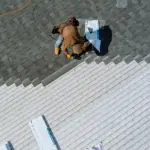
Shingles protect the roof deck from direct water exposure. When shingles crack, curl, lift, or blow off, rain can work its way underneath. This is especially common after windstorms or long periods of winter wear.
A proper fix may involve replacing damaged shingles, checking the surrounding area, and confirming that the underlayment and decking have not been compromised. If the damage is localized, a repair may be enough. If the shingles are failing across several areas, it may be time to discuss a larger repair plan or roof replacement.
Flashing Problems Around Chimneys, Skylights, And Vents
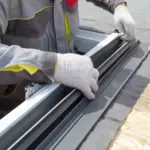
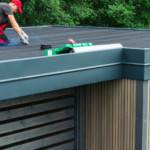
Flashing is one of the most important parts of a leak-free roof. It helps direct water away from openings, joints, and transitions. When flashing pulls away, corrodes, cracks, or is poorly sealed, water can enter around chimneys, skylights, plumbing stacks, vents, and roof-to-wall connections.
Dominion’s own winter leak guidance makes a helpful point: the first visible stain is often not when the leak started. That is especially true with flashing failures, because water may travel before it reaches the ceiling or wall.
The fix usually involves resealing, repairing, or replacing the flashing, then checking the nearby roof materials for hidden moisture damage.
Ice Dams And Freeze-Thaw Damage
Ice dams can form when warm air escapes into the attic, melts snow on the roof, and then refreezes near the colder eaves. As more snow melts, water can back up under the shingles and enter the home.
This type of leak is common along roof edges, upper walls, and ceilings near the exterior of the house. A short-term repair may involve addressing the leak and damaged materials. A longer-term solution may require reviewing attic insulation, ventilation, and roof edge protection so the problem does not repeat every winter.
Clogged Eavestroughs And Poor Drainage
When eavestroughs are blocked with leaves, ice, roofing granules, or debris, water cannot move away from the roof properly. It may overflow against fascia, back up under roof edges, or spill into areas that were never meant to handle that volume of water.
Cleaning the drainage system can help, but the roof should still be checked if water has already entered. Fascia, soffit, roof edges, and nearby shingles may need repair if moisture has been sitting there for too long.
Roof Valleys And Low-Slope Areas
Valleys carry a large amount of water because two roof planes meet in the same drainage path. If a valley is damaged, poorly sealed, filled with debris, or worn down, leaks can happen quickly during heavy rain.
Low-slope sections can also be vulnerable because water moves more slowly. If drainage is poor, water can sit long enough to find weaknesses in seams, edges, or older materials.
Animal Damage And Small Openings
Squirrels, raccoons, birds, and other animals can damage vents, shingles, soffits, and roof edges. Small openings may not look serious from the ground, but they can allow water, nesting materials, and pests into the attic.
Dominion’s blog on 7 warning signs that need roof repair notes that stains, missing shingles, animal activity, and visible roof damage should not be ignored. When these signs appear together, a roof inspection becomes even more important.
How Roof Leaks Should Be Fixed
A good roof leak repair starts with finding the real entry point. That may involve checking the roof surface, attic, flashing, roof deck, vents, skylights, drainage, and interior damage. Once the cause is found, the repair may include replacing shingles, resealing flashing, fixing membranes, clearing drainage paths, repairing roof edges, or stabilizing areas affected by water.
The goal is not just to stop the current drip. It is to protect the home from further damage. If water has reached insulation, drywall, or framing, those areas may also need attention.
If you are unsure whether the issue is minor or urgent, Dominion Roofing can help with a practical assessment through its residential roof repair team.
FAQs
How do I know if my roof leak is serious?
Any active leak should be treated seriously. A small stain can point to a larger hidden issue, especially if water has travelled through the attic before becoming visible.
Can a roof leak be repaired without replacing the whole roof?
Yes, many leaks can be repaired if the damage is isolated and the rest of the roof is still in good condition. If the roof is older or leaking in several areas, replacement may be the better long-term option.
Should I wait until spring to fix a roof leak?
No. Waiting can allow water to spread into insulation, drywall, framing, and interior finishes. Even if a permanent repair has to wait for safer conditions, temporary protection may help limit damage.
Who should I call for a roof leak?
Call an experienced roofing contractor that can inspect the full roof system, not just the visible stain. You can contact Dominion Roofing to schedule an assessment.