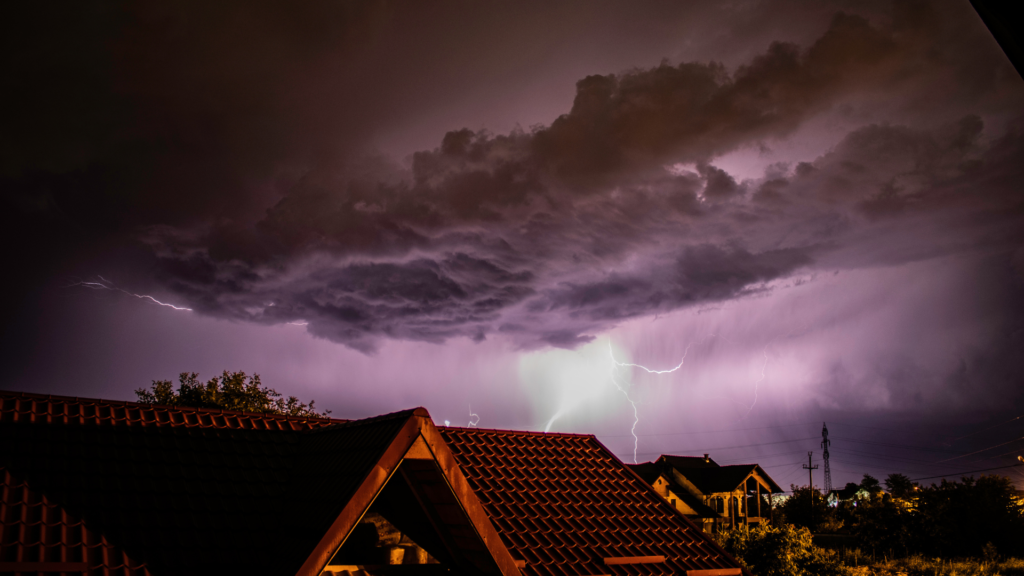
Roof repair after a storm in Toronto should start with safety, not with climbing a ladder. Heavy rain, high winds, falling branches, hail, and fast temperature changes can damage shingles, flashing, flat roof membranes, skylights, gutters, and roof edges. Some damage is obvious right away. Other issues only become visible after the next rainfall.
If your roof looks damaged or water is entering the home, book roof repair after a storm in Toronto with a local team that can inspect the roof, stabilize urgent issues, and recommend the right permanent repair.
Start With Safety First
Do not go onto the roof during or immediately after a storm. Wet shingles, loose materials, hidden ice, and unstable branches can make the roof unsafe. If water is actively coming in, focus on protecting the inside of the home first.
Move furniture, electronics, rugs, and valuables away from the leak path. Place a container under active drips. If the ceiling is bulging, it may be holding water. Do not stand directly under it. If you are not sure what to do, call a professional rather than trying to puncture or repair anything yourself.
Check The Roof From The Ground
Once the storm has passed and it is safe to look outside, do a ground-level check. You may notice missing shingles, lifted flashing, damaged vents, loose fascia, broken gutters, fallen branches, or debris on the roof.
Also check the attic if it is safe and accessible. Look for damp insulation, water trails, dark staining, musty smells, or daylight coming through roof boards. These signs can help your roofer understand where the water may be entering.
Take Photos Before Anything Is Moved
Good documentation can help with repair planning and insurance discussions. Take clear photos of interior water stains, exterior roof damage, fallen branches, damaged gutters, and any items affected by moisture. If possible, photograph the same area from a few angles.
Dominion’s article on preparing your roof for extreme weather gives practical storm advice, including avoiding repairs during the storm, documenting damage, contacting professionals promptly, and using temporary protection only when it is safe.
Call A Roofer Before The Damage Spreads
Storm damage can move quickly. A lifted shingle, open seam, cracked vent boot, or loose flashing may allow water in during the next rainfall. Even if the leak seems to stop, the entry point may still be exposed.
Dominion Roofing’s emergency roof repair support can help when the roof needs urgent attention. In some cases, the first visit may focus on temporary stabilization, such as securing an exposed area or stopping active water entry. The permanent repair can then be completed when conditions are safer and the full damage is clear.
Understand What Storms Commonly Damage
Wind can lift shingles, loosen flashing, pull at vents, and expose fasteners. Heavy rain can overwhelm drainage paths, especially if gutters are blocked. Hail may bruise or crack roofing materials. Falling branches can puncture shingles, membranes, skylights, or roof edges.
Flat roofs can be especially sensitive to drainage problems after a storm. If water sits on the surface because drains or scuppers are blocked, it can stress seams and weak points. Sloped roofs can also leak if valleys fill with debris or flashing shifts around chimneys and skylights.
Know When It Is More Than A Simple Repair
Some storm damage is localized. A few missing shingles or a small flashing issue may be repairable. Other cases need a broader look. If the roof is older, leaking in multiple places, sagging, repeatedly losing shingles, or showing widespread wear, replacement may need to be discussed.
Dominion’s roof inspection checklist for Ontario homes is useful after harsh weather because it highlights the importance of checking shingles, roof edges, valleys, attic conditions, eaves, and drainage. Those same areas are often where storm-related roof problems begin.
Be Careful With Temporary Fixes
A tarp can sometimes help reduce water entry, but only if it can be placed safely. Homeowners should not climb onto a wet or damaged roof to install temporary protection. If access is unsafe, wait for a roofer.
Temporary fixes are not permanent repairs. They buy time. The roof still needs to be inspected so damaged shingles, flashing, membranes, vents, or roof deck materials can be repaired properly.
Who To Call After Storm Damage
Call a roofing company with local experience, emergency repair capability, and knowledge of both residential and commercial roof systems. Toronto weather can change quickly, so it helps to work with a contractor that understands wind damage, winter leaks, flat roof drainage, ice-related issues, and urgent leak control.
Dominion Roofing has served Toronto and the GTA for more than 100 years. If you need help after high winds, heavy rain, snow, or falling debris, you can contact Dominion Roofing to arrange an assessment.
FAQs
What should I do first if my roof leaks after a storm?
Protect the inside of your home first. Move valuables, contain the drip if possible, take photos, and call a roofer for an assessment. Do not climb onto the roof during unsafe conditions.
Can storm damage be repaired the same day?
Sometimes, yes. It depends on weather, access, safety, materials, and the extent of damage. In urgent cases, temporary stabilization may happen first, followed by permanent repair.
Should I call insurance before or after a roofer?
You can start by documenting the damage and checking your policy. A roofing assessment can also help you understand the likely cause and scope of repair before you speak with your insurer.
What roof damage is most common after a storm?
Common issues include missing shingles, lifted flashing, damaged vents, clogged drainage, punctures from branches, skylight leaks, and flat roof ponding.