A leaking skylight does not automatically need to be replaced. The right solution depends on where the water is coming from, the condition and age of the skylight, the flashing and underlayment around it, the surrounding roofing materials, and whether the moisture is actually a roof leak or interior condensation.
For Toronto and GTA homeowners, September is a useful time to investigate a skylight problem before fall rain and winter weather expose an existing weakness. A professional inspection should identify the source first, then determine whether skylight repair or replacement is the better long-term solution.
Skylight Repair or Replacement Starts With the Source of the Moisture
Water near a skylight can come from several different places. Treating every stain as a failed skylight can lead to the wrong repair.
The inspection should consider the skylight unit, seals, mounting, flashing, underlayment and surrounding roofing. Water can also enter higher on the roof and travel before appearing near the skylight indoors.
Three conditions are commonly confused:
- Interior condensation: Moisture forms on the room side of the glass when warm, humid indoor air meets a cold surface.
- Fogging between panes: Moisture trapped between panes of an insulated glass unit can indicate failure of the internal glass seal.
- Water intrusion: Rain or meltwater is entering through the skylight assembly, flashing, roof covering or another nearby roof detail.
The repair should match the cause. Dominion Roofing’s skylight installation and repair service covers inspections, flashing repairs, resealing and full skylight replacement when the unit itself needs to be renewed.
How Can You Tell Condensation From a Skylight Leak?
Condensation appears when indoor moisture collects on a cold surface. It is particularly common in rooms with higher humidity, such as bathrooms and kitchens, and can become more noticeable as outdoor temperatures drop. Condensation on skylight glazing can be a sign that the home needs more ventilation. That is different from clouding or fogging between panes. Fogging inside an insulating glass unit occurs when the inner seal between the panes is broken.
Timing provides useful clues. Moisture on the interior surface during cold weather without rain may point toward condensation. Staining that worsens during rainfall or snowmelt deserves a roof and skylight inspection because water can travel before it becomes visible.
When Can a Leaking Skylight Be Repaired or Reflashed?
Repair may be appropriate when the skylight itself is still serviceable and the problem is isolated to the weatherproofing system around it. The exact repair depends on how the skylight was installed and which component has failed.
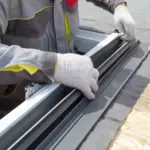
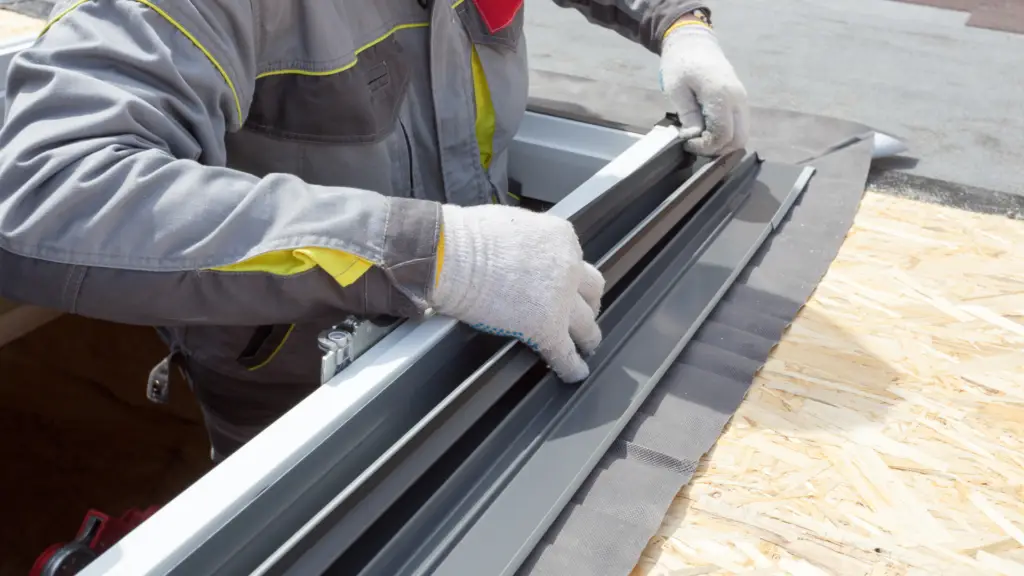
Possible repair work may include correcting flashing, repairing surrounding shingles, renewing underlayment or addressing a curb or transition detail. Flashing is particularly important because it directs water around the skylight and back onto the roof surface. The correct flashing also depends on roof pitch, roofing material and skylight type.
A bead of sealant should not be treated as a universal solution to a persistent skylight leak. If the actual problem is incorrect flashing, failed underlayment, deteriorated roofing or a damaged unit, surface caulking may hide the symptom without correcting the water path.
Dominion Roofing’s roof repair service includes skylight leak repairs as part of its residential repair work.
When Is Skylight Replacement the Better Choice?
Replacement becomes more practical when the skylight itself is failing, badly deteriorated, damaged, obsolete or difficult to integrate reliably with the surrounding roof.
Signs that can shift the decision toward replacement include:
- persistent leakage after the surrounding roof details have been assessed
- cracked or damaged glazing
- failed insulated-glass seals
- significant discolouration in older skylight materials
- deterioration of the frame or curb
- repeated repairs that have not solved the underlying problem
- an older unit being disturbed during a full roof replacement
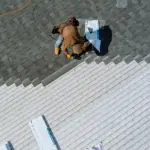
Age matters, but it should not be the only criterion. The decision should combine age, condition, repair history and the amount of roofing work already planned. Consider skylight replacement during reroofing because the surrounding roofing is already being disturbed. Coordinating the work can avoid removing relatively new roofing later simply to replace an aging skylight.
Dominion Roofing completed a Toronto roof and skylight replacement project in which the roof, skylight and flashing were renewed together to restore a watertight assembly.
Why Flashing and Underlayment Matter Around a Skylight
A skylight interrupts the roof surface, so water needs a controlled path around the opening. The flashing system, underlayment and roofing material must work together.
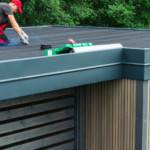
Step flashing on a shingle roof is designed to integrate with individual courses of roofing so water continues downslope instead of moving behind the roof covering. Head flashing manages water approaching from above the skylight, while sill details at the lower edge allow water to leave the assembly. Roof pitch also matters. Flashing kits have specific pitch requirements because slope affects how effectively water drains away from the skylight.
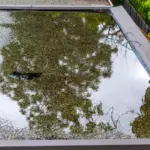
Debris can create another problem. Leaves and other material collecting around the upper or side flashing can slow drainage and hold moisture where it should be moving off the roof. Clearing debris from around skylight flashing annually and making sure rain and meltwater can drain from the roof and gutters. The glass may be intact while the surrounding water-management system is failing.
Should You Replace a Skylight When You Replace the Roof?
It is worth assessing the skylight whenever the surrounding roof is being replaced. This does not mean every skylight must be changed during reroofing, but the homeowner should compare the expected remaining life of the skylight with the new roof system.
Keeping an aging skylight in place can create a future problem if it fails several years after the new roof is installed. Replacing it later may require disturbing shingles, flashing and underlayment that are still relatively new. Ask the contractor to inspect the unit, identify its approximate age if possible and explain whether it can be properly integrated with the new roofing system.
When the skylight is in good condition and compatible with the new roof assembly, keeping it may be reasonable. When it is already showing seal failure, deterioration or repeated leakage, coordinated replacement often provides a cleaner long-term solution. Dominion Roofing’s residential roof replacement services include skylight replacement as part of its broader replacement capabilities.
What Should Be Checked Before Fall Rain and Winter Snow?
A skylight inspection before winter should look beyond the glass. The goal is to make sure water, snowmelt and debris can move around the opening without finding a path into the roof.
A roofer should assess:
- the skylight frame, glazing and visible seals
- head, side and sill flashing
- surrounding shingles or roofing membrane
- underlayment where accessible during repair work
- the curb or deck-mounted connection
- nearby roof penetrations and transitions
- stains or damaged finishes inside the home
- debris that may be restricting drainage
- signs of previous patching or repeated sealant repairs
Homeowners can monitor the interior for staining, bubbling paint, damp drywall or condensation patterns. Roof access should be left to properly equipped professionals, particularly on steep, wet, icy or snow-covered surfaces.
Fix the Cause Before Winter Makes the Problem Bigger
A leaking skylight needs a diagnosis before it needs a product. Condensation may call for better humidity control and ventilation. Fogging between panes may point to a failed insulated-glass seal. Water entering around the opening may require flashing, roofing or underlayment repairs. An aging or damaged unit may be a better candidate for replacement.
The most useful question is therefore not simply, “How do I stop the leak?” It is, “Which part of the skylight and roof assembly has failed?”
Dominion Roofing repairs and replaces residential skylights and roofing systems across Toronto and the GTA. If you have water staining, recurring skylight leaks, damaged flashing or an older skylight that may be nearing replacement, an inspection can establish the source and the appropriate scope before winter weather arrives.
Frequently Asked Questions
Can a leaking skylight be repaired without replacing the whole unit?
Yes, some skylight leaks can be repaired when the skylight itself is still in good condition and the problem is limited to flashing, surrounding roofing or another correctable detail. The unit should be inspected before replacement is recommended because the visible water may not be coming through the skylight itself.
What does fogging between skylight panes mean?
Fogging between panes usually indicates that moisture has entered the insulated glass unit after an internal seal has failed. That is different from condensation forming on the room-side surface of the glass, so the location of the moisture matters.
Should I replace my skylight when I replace my roof?
You should at least have the skylight assessed during a roof replacement. If the unit is older, leaking, deteriorated or showing seal problems, replacing it while the surrounding roofing is already being removed may reduce the need to disturb the new roof later.
Can clogged debris around a skylight cause problems?
Yes, leaves and debris can interfere with drainage around skylight flashing and should be removed so rain and melting snow can move away from the opening. Safe roof access matters, so homeowners should not climb onto steep or slippery roofs to perform this work.
Why does my skylight leak only during heavy rain or snowmelt?
Leaks that appear only during certain weather can be related to flashing, drainage, wind-driven rain, ice or another roof detail that is exposed under those conditions. A roofer should inspect the complete water path around and above the skylight rather than assuming the glass itself is the source.