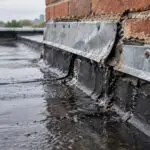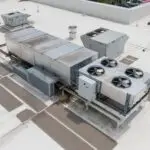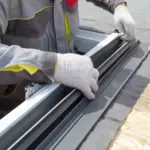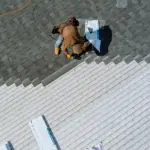
A flat roof leaking where it meets a wall is often caused by damaged flashing, deteriorating sealants, failed membrane connections or moisture entering through nearby masonry. Even when the main roof surface appears to be in good condition, water can find its way behind the materials designed to keep the building dry.
These leaks can be difficult to identify because water does not always appear directly below the point where it enters.
For property owners in Toronto and the Greater Toronto Area, understanding how roof-to-wall connections work can help prevent a relatively small roofing problem from developing into more extensive moisture damage.
Why Flat Roofs Often Leak Where They Meet a Wall
The connection between a flat roof and a vertical wall is one of the more vulnerable areas of a roofing system.
Unlike the main roof surface, which is designed to direct water toward drains or other outlets, a roof-to-wall connection involves several different building materials. The roofing membrane must connect to a wall, parapet or adjoining structure while maintaining a continuous waterproof barrier.
This connection may include:
- A waterproof roofing membrane extending up the wall
- Base flashing installed at the roof-to-wall transition
- Counterflashing that protects the top edge of the base flashing
- Metal parapet caps or coping at the top of a wall
- Sealants at specified joints and terminations
- Brick, concrete or other exterior wall materials
Each component has a specific purpose. If one fails, moisture may reach areas that are not protected by the main roofing membrane. For example, a roof can have a properly functioning membrane across most of its surface while allowing water to enter behind loose counterflashing. The problem may not be obvious from the ground or even during a quick visual inspection.
How Damaged Flashing Causes Flat Roof Wall Leaks
Flashing is designed to prevent water from entering where the roofing system meets a wall or another building feature. When flashing separates, corrodes, becomes damaged or was not installed correctly, water can move behind the waterproofing system.
Several flashing problems may contribute to leaks.
Loose or Separated Flashing
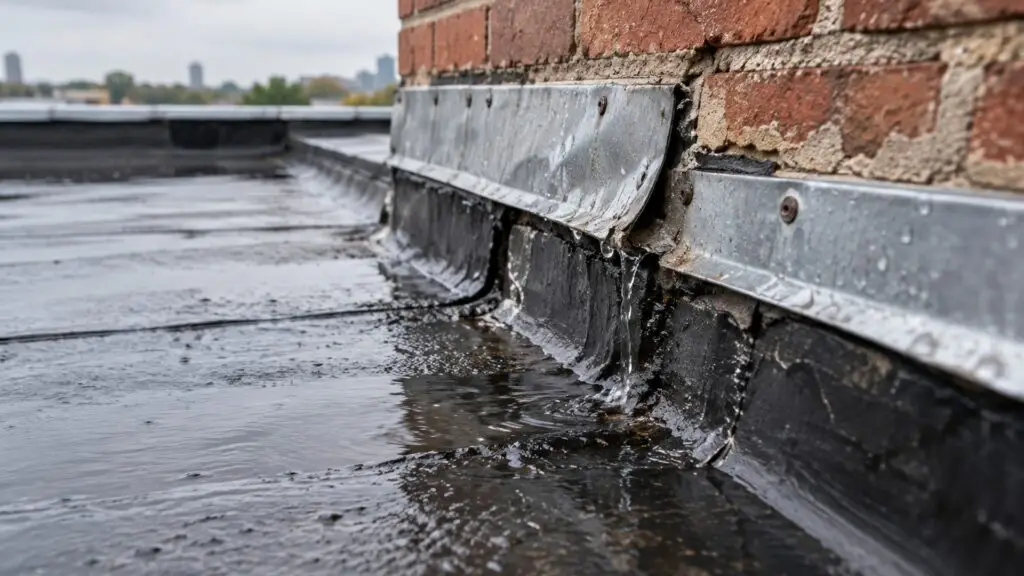
Metal flashing can become loose when fasteners fail, materials shift or connections deteriorate. An opening between the flashing and the wall can allow wind-driven rain to enter behind the roofing system. On a flat roof, the problem may become more noticeable during prolonged rainfall or when water collects near the wall.
Failed Sealants
Sealants are sometimes used at flashing joints, reglets and other specified connection points. Over time, sealants can lose adhesion, crack or separate from adjoining materials. However, caulking should not be treated as a substitute for properly installed flashing. If the underlying connection is defective, applying additional sealant may temporarily reduce water entry without correcting the actual problem.
Improper Membrane Terminations
A flat roofing membrane generally needs to extend up a vertical surface and terminate in a way that prevents water from entering behind it. If the membrane has pulled away, developed openings or was not properly connected to its termination detail, moisture may penetrate beneath the roofing system. This is one reason why an inspection should consider the entire roof-to-wall assembly rather than focusing only on visible gaps.
Dominion Roofing provides residential flat roof repair and replacement services for properties experiencing leaks, membrane deterioration and other flat roofing issues.
Could the Leak Be Coming From the Brickwork or Parapet Wall?
Not every leak near a roof-to-wall connection originates in the roofing materials. Water can also enter through deteriorated brickwork, mortar joints, cracked concrete or damaged parapet caps. A parapet is a wall that extends above the roofline. On many flat-roofed buildings, parapet walls help define the roof perimeter and protect roof edges. Because these walls are exposed to rain, snow and temperature changes, their condition can affect the waterproofing of the building.
Deteriorating Mortar Joints
Mortar joints between bricks can develop gaps and cracks as they age. Wind-driven rain may enter these openings and travel down through the wall assembly. The resulting moisture can appear inside the building near the roofline, even when the roofing membrane itself remains intact.
Damaged Parapet Caps
Parapet caps, also called coping, are installed at the top of parapet walls to help shed water and protect the masonry below. Loose metal coping, failed joints or cracked masonry caps can permit water to enter the wall from above. A roofing contractor may need to inspect the coping, flashing and surrounding roof membrane to determine how these components interact.
Movement Between Building Materials
Brick, concrete, metal and roofing membranes respond differently to changes in temperature. Over time, movement between materials can place stress on joints and connections. A roof-to-wall detail must accommodate the expected movement while maintaining the waterproof barrier.
The key distinction is that repairing the roof membrane will not necessarily correct a leak caused by damaged masonry above it. In some cases, both roofing and masonry repairs may be required.
Warning Signs of a Roof-to-Wall Leak
Water entering near a wall connection can produce several warning signs inside and outside the building.
Common indicators include:
- Water stains where an exterior wall meets the ceiling
- Peeling paint or bubbling plaster near the roofline
- Damp drywall following heavy or wind-driven rain
- Recurring moisture damage after previous caulking repairs
- Visible gaps or separation in metal flashing
- Cracked mortar or deteriorating brickwork above the roof
- Loose parapet coping or open metal joints
- Damp insulation or signs of moisture beneath the roofing membrane
The timing of a leak can also provide useful clues. If water appears mainly during wind-driven rain, the problem could involve flashing or openings in the wall assembly.
If moisture becomes noticeable after snow begins melting, the inspection may need to consider accumulated snow, ice, drainage and vulnerable membrane connections. These patterns help guide the investigation, but they cannot confirm the cause on their own.
A stain on an interior ceiling may also be some distance from the actual opening. Water can travel along structural members, roof decking or other concealed surfaces before becoming visible. For a broader explanation of potential leak sources, see Dominion Roofing’s article on the common causes of roof leaks in Toronto.
How Roofing Contractors Identify the Source of the Leak
A reliable repair begins by identifying where water enters the building. Simply sealing the most visible gap may not resolve the problem, particularly when several roofing and wall components meet in the same area. A professional inspection may involve the following steps.
Examining the Roof Membrane
The contractor checks the condition of the roofing material near the affected wall, looking for open seams, splits, punctures, deterioration or separation at the base flashing. The inspection may also examine areas where the roof changes direction or connects to other structures.
Inspecting Flashing and Metal Connections
Base flashing, counterflashing, fasteners, termination details and parapet coping are examined for damage. The contractor may look for openings that could allow water behind the roof system rather than onto its exposed surface.
Checking the Wall and Masonry
Brickwork, mortar joints, wall cracks and coping should be considered when the roof is connected to a masonry structure. Visible roofing defects may be accompanied by problems higher up the wall.
Reviewing Drainage Conditions
Although the leak may appear at the wall, poor drainage can increase the amount of water reaching vulnerable roof details. Blocked drains, accumulated debris or areas of standing water may therefore need attention.
Investigating Concealed Moisture
Where necessary, the contractor may recommend further investigation to determine whether insulation, decking or other materials have been affected. Moisture-related testing or carefully controlled water testing may help narrow down the source in suitable circumstances.
Testing methods should be selected for the specific building and carried out by qualified professionals to avoid creating additional damage. For property owners dealing with recurring leaks, Dominion Roofing offers roof repair services in Toronto to assess roofing problems and determine appropriate repair options.
Can Flashing Be Repaired, or Does It Need Replacing?
The correct repair depends on the condition of the flashing, roofing membrane, wall and surrounding materials. Not every roof-to-wall leak requires a complete roof replacement.
Localised Flashing Repairs
Where the damage is limited, a roofing contractor may be able to repair or replace a specific section of flashing. The work could involve removing deteriorated materials, preparing the connection and installing compatible waterproofing components. The repair must integrate with the existing roofing system rather than simply covering the visible opening.
Replacing Failed Counterflashing
If the counterflashing no longer adequately protects the upper edge of the roofing membrane, replacement may be required. Depending on the wall construction, the work may involve repairing the termination detail or installing new metal flashing.
Repairing the Roof Membrane
If the membrane has separated or deteriorated near the wall, the damaged area may need to be removed or repaired using materials compatible with the existing roof. A patch should extend into sound roofing material and properly connect to the surrounding waterproofing.
Addressing Masonry Defects
When moisture is entering through cracked masonry, failed mortar joints or damaged parapet caps, the wall defect must also be addressed. Covering the roof membrane with additional material will not solve a problem originating above the roofing connection.
When More Extensive Replacement Is Necessary
A larger repair or roof replacement may be considered when damage is widespread, underlying insulation is saturated or the existing roofing assembly can no longer support a reliable localised repair.
In a documented flat roof replacement project in Toronto, Dominion Roofing removed an aging four-ply roof system, installed a new two-ply modified bitumen assembly and added custom metal perimeter flashing.
The project illustrates how roof replacement involves more than installing a new surface. The perimeter connections must also be properly incorporated into the waterproofing system.
Why Addressing Roof-to-Wall Leaks Before Winter Matters
October is a practical time for Toronto property owners to investigate suspected roof leaks before colder weather makes roofing conditions more challenging. Rain, freezing temperatures and snow accumulation can expose weaknesses in flashing, masonry and roofing connections.
Moisture that enters building materials may also contribute to deterioration when temperatures repeatedly move above and below freezing. Delaying repairs can allow relatively limited water infiltration to affect insulation, interior finishes and concealed building components.
Property owners should avoid attempting roof repairs from ladders or walking on wet, icy or unfamiliar flat roof surfaces. If an active leak is present, protect belongings and interior areas where it is safe to do so. If water is near lighting or electrical equipment, arrange appropriate professional assistance. The next step is to have the roof-to-wall connection inspected before choosing a repair method.
Get to the Source of a Flat Roof Leak
A flat roof leaking where it meets a wall does not automatically mean the entire roof needs replacing. The problem could involve a small flashing defect, deteriorated masonry, a failed membrane termination or a combination of issues.
Identifying the actual source is the most effective way to avoid repeated temporary repairs.
Dominion Roofing provides residential and commercial roofing services throughout Toronto and the GTA. If you are experiencing water infiltration around a flat roof, parapet or wall connection, contact Dominion Roofing to arrange a professional assessment and discuss the appropriate repair options.
Frequently Asked Questions
Why is water coming through the wall below my flat roof?
Water entering below a flat roof may originate from damaged flashing, defective membrane connections or deteriorating masonry above the roofline. A roofing inspection can help determine whether the moisture is entering through the roof assembly or another part of the exterior wall.
Can damaged flashing cause a leak even when the roof membrane looks fine?
Yes, damaged flashing can allow water behind an otherwise sound roofing membrane. This can make the source difficult to identify because the exposed roof surface may show no obvious signs of damage.
How do I know whether I need a roofer or a masonry contractor?
A roofing contractor is a useful first contact when leakage appears near the roof membrane, flashing or parapet. If the inspection identifies deteriorating brickwork or mortar as the source, a masonry specialist may also be needed.
Can caulking permanently fix a leaking roof-to-wall connection?
Caulking may be suitable for certain minor sealant-joint defects when used as part of the correct repair detail. It is not a reliable permanent solution for loose flashing, failed membranes or damaged masonry.
Does a parapet wall leak mean I need a new flat roof?
A parapet wall leak does not automatically require roof replacement. Localised flashing or masonry repairs may be sufficient if the surrounding roofing system remains in serviceable condition.