
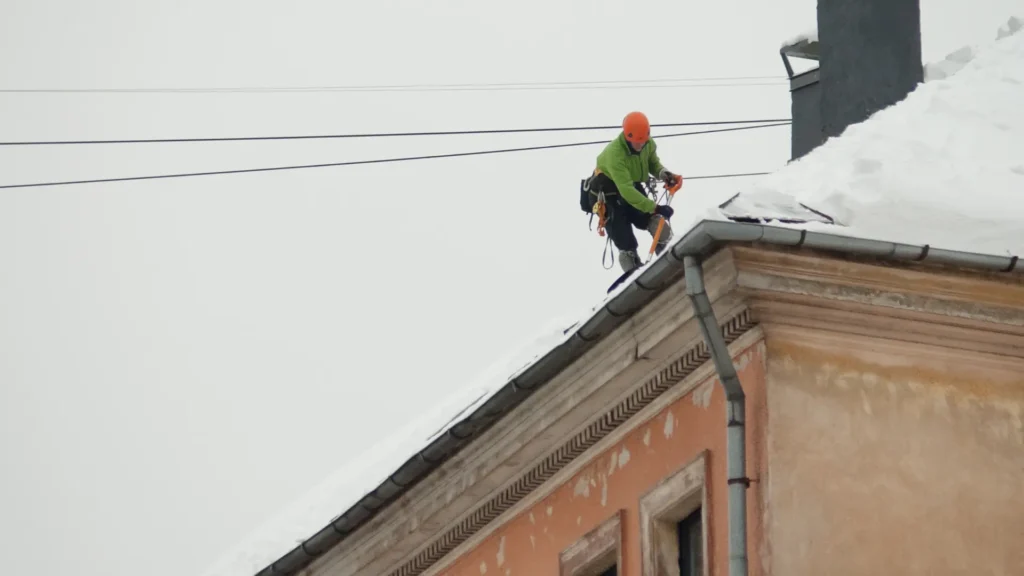
Canadian winters are no joke — especially in the Greater Toronto Area (GTA), where fluctuating temperatures, ice storms, and heavy snowfalls can push roofs to their limits. The weight of accumulated snow, combined with freezing rain and wind, can cause serious damage if not addressed quickly.
Homeowners often underestimate the power of snow load and storm damage. But once leaks start or ice dams form, the situation can escalate within hours. That’s why having a 48-hour roof emergency plan isn’t just helpful — it’s essential.
In this guide, we’ll break down everything you need to know: from identifying early warning signs and assessing roof safety to what actions you should take within 48 hours of a snow or storm event. Along the way, we’ll show how Dominion Roofing, the leading name in Toronto Roof Repair, can help you keep your home safe this winter.
Understanding Snow Load: The Silent Weight on Your Roof
Snow load refers to the weight of snow and ice accumulating on your roof. While your home’s structure is designed to withstand certain loads, extreme conditions — or older, weakened roofs — may not meet today’s building standards.
According to the National Building Code of Canada (NBCC 2020), snow loads vary depending on geography, roof slope, and exposure. Ontario’s unpredictable weather makes this particularly important, as heavy, wet snow can weigh up to 20 pounds per cubic foot.
Warning signs of excessive snow load include:
- Sagging or uneven rooflines
- Cracks in walls or ceilings
- Creaking or popping sounds
- Difficulty opening doors and windows (a sign of structural stress)
If you notice these signs, you should contact a professional Toronto roofer immediately.
The 48-Hour Roof Emergency Plan: Step-by-Step Guide
When a major snowstorm or ice event hits, time is critical. Acting within 48 hours can mean the difference between minor roof repair and full structural damage.
Hour 0–6: Ensure Safety & Initial Assessment
- Stay on the ground.
Never climb onto a roof covered in snow or ice. The structure could be unstable, and slippery surfaces make falls extremely dangerous. - Visual inspection from ground level.
Look for visible warning signs — sagging areas, large icicles, snow overhangs, or ice dams forming near gutters. - Document everything.
Take photos or videos of damage or excessive snow buildup. This will help when filing insurance claims. - Call trusted Toronto Roofers.
Contact a roofing contractor as soon as possible. Their emergency response team can assess the situation and recommend immediate steps to prevent further damage.
Hour 6–24: Stop Damage from Escalating
Once your roof is inspected or deemed safe to approach, here’s what you should focus on next:
- Careful snow removal.
Use a roof rake with an extension handle to remove excess snow from the eaves and valleys. Avoid scraping the shingles directly, as this can cause further damage. - Check for ice dams.
Ice dams are a common winter issue in Toronto. They occur when heat escaping from the attic melts snow, which then refreezes at the roof’s edge, creating a barrier that traps water.
Learn how to deal with them here: Understanding Ice Damming and How to Protect Your Roof This Winter. - Clear gutters and downspouts.
Ensure meltwater can flow freely away from your roofline. Blocked drainage can cause leaks and water seepage into your attic or walls. - Inspect attic and ceilings.
Look for wet insulation, dark stains, or water drips — all signs that snowmelt has found its way inside.
Hour 24–48: Professional Repair & Temporary Protection
After initial safety measures, it’s time for professional help.
- Call Dominion Roofing for an in-depth roof inspection.
As a century-old leader in Toronto Roof Repair, Dominion Roofing offers emergency services that include a complete structural assessment, snow load evaluation, and repair planning. - Implement temporary fixes.
Depending on the damage, this may include roof tarping, installing heat cables, or applying sealant to vulnerable flashing areas. - Plan for permanent repairs.
Once the weather improves, schedule full repairs or upgrades. Learn how to strengthen your home for next winter here: Winter Damage to Your Roof? Signs You Need Repairs This Spring. - Install snow guards for long-term safety.
Snow guards prevent dangerous snow slides from steep roofs and protect gutters from excessive strain. Learn more: Snow Guards For Your Roof.
Types of Roof Damage After Snow and Storms
Not all damage is immediately visible. Some issues worsen over time, especially with fluctuating freeze-thaw cycles common in Southern Ontario.
1. Structural Damage
Heavy snow load can cause beams, rafters, and trusses to bow or crack. If not addressed, this can lead to partial roof collapse.
2. Shingle and Flashing Damage
Wind and ice can lift or break shingles, leaving your roof vulnerable to leaks. Damaged flashing around vents or chimneys often worsens during storms.
3. Ice Dams and Water Intrusion
Ice dams block water flow, forcing it beneath shingles and into your attic. Over time, this can lead to mould and insulation damage.
4. Gutter and Downspout Failure
Icicles and compacted snow often pull gutters away from the fascia. This disrupts drainage and accelerates roof deterioration.
5. Material Degradation
If your roof materials aren’t suited for Canadian winters, repeated freeze-thaw cycles will shorten their lifespan. For help selecting better materials, check: Choosing the Right Roofing Material for Your Home: A Guide for Canadian Homeowners.
Preventing Future Roof Damage: Long-Term Winter Preparation
Prevention is always cheaper than emergency repair. Here’s how Toronto homeowners can stay ahead of snow and storm damage:
- Schedule annual roof inspections.
Having a professional like Dominion Roofing assess your roof before and after winter can help catch problems early. - Improve attic insulation and ventilation.
Proper ventilation reduces uneven snow melting — a leading cause of ice damming. - Install snow guards and heat cables.
These reduce ice buildup and snow slides that can damage your gutters or lower roof sections. - Clean gutters before winter.
Removing leaves and debris allows melting snow to drain safely. - Know your roof’s load capacity.
The National Research Council of Canada offers resources on snow load design for buildings. Visit nrc.canada.ca for official guidance on Canadian snow load standards. - Upgrade roofing materials if needed.
Premium shingles are an excellent choice for homeowners seeking maximum durability, lifespan and aesthetic appeal in their roofing solutions.
Final Thoughts: Act Fast, Stay Safe, and Be Prepared
Toronto winters are unpredictable — one day it’s mild, the next you’re dealing with heavy snow and freezing rain. Having a 48-hour emergency plan ensures that you can act fast, limit damage, and protect your investment.
Whether you need emergency roof repair in Toronto, preventive maintenance, or expert advice on snow load safety, Dominion Roofing is here to help.
Don’t wait for the next storm. Be proactive, stay safe, and trust the experts who’ve kept Toronto roofs standing strong for over a century.


