Winter is the season when “small” roof openings stop being small. A lifted shingle corner, a loose soffit panel, a worn vent cover, even a gap near flashing can turn into an easy entry point once animals are looking for warmth and shelter.
In the GTA, the usual suspects are squirrels, raccoons, and birds. They are persistent, surprisingly strong, and motivated by the cold. The result can be noise in the attic, stained ceilings, smells that do not go away, and roof components that keep getting worse with every freeze and thaw.
This guide covers the common entry points, what kind of damage to watch for, and the practical steps homeowners can take to prevent repeat issues. If you want a baseline for what professional repairs look like, start with Dominion’s approach to roofing and roof repairs and then use the sections below to narrow down what may be happening on your home.
Why animals target roofs in winter
Animals do not climb onto your roof because it is convenient for you. They do it because your roofline is a collection of sheltered edges, warm air leaks, and quiet cavities. In winter, those features are even more attractive. Attics hold residual heat, snow can hide openings, and colder nights push wildlife to take more risks.
The other factor is timing. Winter storms and wind can loosen roofing materials, while ice buildup can stress soffits, fascia, and eaves. If you have a vulnerable spot, winter tends to enlarge it. What starts as a minor weakness becomes a doorway.
This is also why a seasonal roof inspection matters. Dominion’s post on Winter Roof Tune-Up: Why Now Is the Time to Get Your Roof Ready Before the Snow Hits makes the point that small issues like loose flashing or worn seals can escalate quickly once snow and ice arrive. The same is true for wildlife entry.
How squirrels get in and what they damage
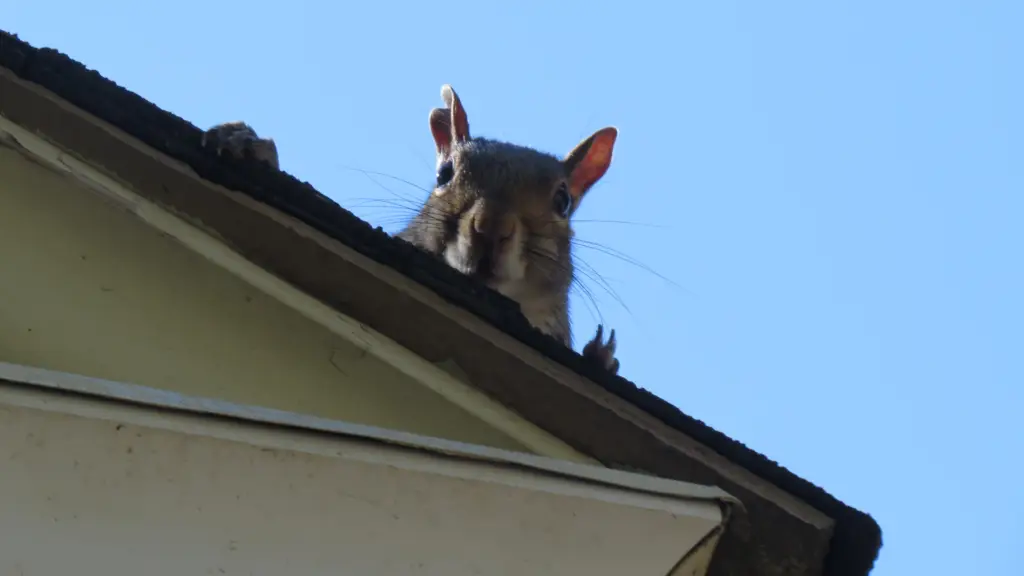
Squirrels are agile and relentless. If they find a weak point near the roof edge, they will work it until it opens. Typical entry spots include roof returns, soffit corners, gaps where fascia meets the roof deck, and areas where wood has softened from moisture.
Once inside, the damage tends to be a mix of structural and nuisance issues. They can tear insulation apart for nesting, chew on wood framing, and in some cases chew wiring, which is not a risk worth ignoring. The sound is usually the first clue: scurrying, scratching, and occasional thumps that seem to move across the ceiling.
If you suspect squirrels, avoid sealing anything immediately. A humane, safe approach matters, and you do not want to trap animals inside. The Toronto Wildlife Centre explains common scenarios and removal considerations in their guidance on squirrels living in your roof, shed, or attic, including why timing is important when there may be young animals.
After the animals are out, the next step is making sure the roofline is properly repaired so the same entry point does not reopen. This is where targeted roof repair makes a difference, because the goal is not just to “patch a hole” but to restore the area so it holds up through wind and freeze-thaw cycles.
How raccoons get in and why their damage is different
Raccoons are less subtle than squirrels. They are heavier, stronger, and they can peel back materials that would stop smaller animals. They often target roof vents, weak soffits, and areas near chimneys because those spots can be pried or widened. If a raccoon has decided your attic is a good den site, it will work the problem until it wins.
The damage can be more severe. You might see torn vent covers, broken soffit panels, disturbed shingles, and compressed insulation. Raccoon activity can also create unpleasant odours and sanitation concerns that require cleanup once the area is repaired.
If you are looking for practical prevention guidance, the City of Toronto’s page on living with raccoons in Toronto reinforces the importance of wildlife-proofing your home and avoiding direct interaction. From a roofing standpoint, “wildlife-proofing” usually comes down to repairing weak roofline components before they become access points.
If you notice obvious roofline damage or an entry point that has been widened, it is worth treating it as urgent. Winter conditions can make the opening worse fast, and animals tend to return to the same spot. Dominion’s article on Snow Load and Storm Damage: Your 48 Hour Roof Emergency Plan is written for storm response, but one takeaway applies here too: acting quickly can prevent a manageable problem from turning into water intrusion and interior repairs.
How birds get in and why it often starts small
Bird issues often begin with vents, chimneys, and soffit gaps. Unlike squirrels and raccoons, many birds are not trying to “move in” to the attic itself. They are trying to nest in sheltered cavities, and roof vents can look like perfect real estate.
The damage is usually quieter at first. You might notice chirping, light tapping, or debris collecting near a vent. Over time, nests can block ventilation, allow moisture to build up, and create staining around openings. Some homeowners only realize what is happening when a vent starts leaking or when a smell shows up.
Bird entry points also overlap with skylight areas, especially when flashing or seals have started to fail. If you have a skylight and notice drafts, staining, or condensation issues near it, it is worth having it assessed. Dominion’s skylight Toronto page is a useful reference for what proper skylight repairs involve, since leaks around skylights are often flashing-related, not glass-related.
The roofline areas most likely to be vulnerable
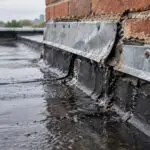
Most winter wildlife entry issues trace back to a few repeat zones: soffits and fascia corners, roof vents, chimney openings, roof valleys, and flashing transitions. These are the points where different materials meet, where fasteners can loosen, and where wind-driven snow tends to accumulate.
If your home has had ice damming, heavy snow load, or repeated freeze-thaw stress, those vulnerable points are more likely to open up. Even a small gap can become a bigger problem when animals start pulling, chewing, or prying.
That is why the best “animal prevention” plan is often basic roof maintenance done consistently. For many homeowners, a small repair done early costs less, creates less disruption, and reduces the chance of repeat calls in the same winter.
What homeowners can do right now
Start with observation, not guesswork. Listen for patterns of noise and note when it happens. Animals are often most active at dawn and dusk. Check the exterior from the ground for obvious signs like lifted shingles, damaged vent covers, torn soffits, or staining near openings.
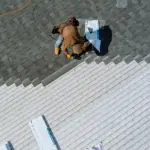
If you are tempted to climb a ladder in winter, be cautious. Snow, ice, and roof slope are a rough combination. A safer approach is to document what you can see from the ground and arrange a professional roof inspection for anything that looks compromised.
If you want a clear overview of what a professional assessment can address, including the small failure points that animals take advantage of, this is where experienced roofers in the Toronto area can pinpoint vulnerabilities and recommend repairs that hold up through the season.
How to prevent repeat animal entry after repairs
The most common frustration homeowners have is “we fixed it, then it happened again.” That usually means one of two things: the original entry point was not fully restored, or a second weak spot nearby was missed.
Prevention is about closing the loop. Once the animal is removed, the roofline needs to be repaired with durable materials and proper sealing, not a temporary patch. Vents should be secured, flashing should be watertight, and soffit and fascia components should be firm and properly fastened.
If you are evaluating contractors for this type of work, look for a team that treats the roof as a system rather than a single problem spot. That is one reason homeowners often compare roofing companies in Toronto based on inspection quality and repair approach, not just price.
When it becomes an urgent roof repair issue
Some situations should not wait. Active leaks, visible holes, sagging soffits, or repeated wildlife entry are all signs that the roofline is compromised. In winter, water intrusion can spread under roofing materials, and attic moisture can create longer-term problems that are expensive to reverse.
If you are seeing interior staining, dripping, or damp insulation, the priority becomes stopping water entry and restoring the roofing system. In that case, treat it like an urgent repair and get the problem assessed and stabilized quickly.
For homeowners dealing with these winter conditions, Dominion’s approach to roof repair is a practical next step because it focuses on identifying the real failure point and restoring the area properly.