
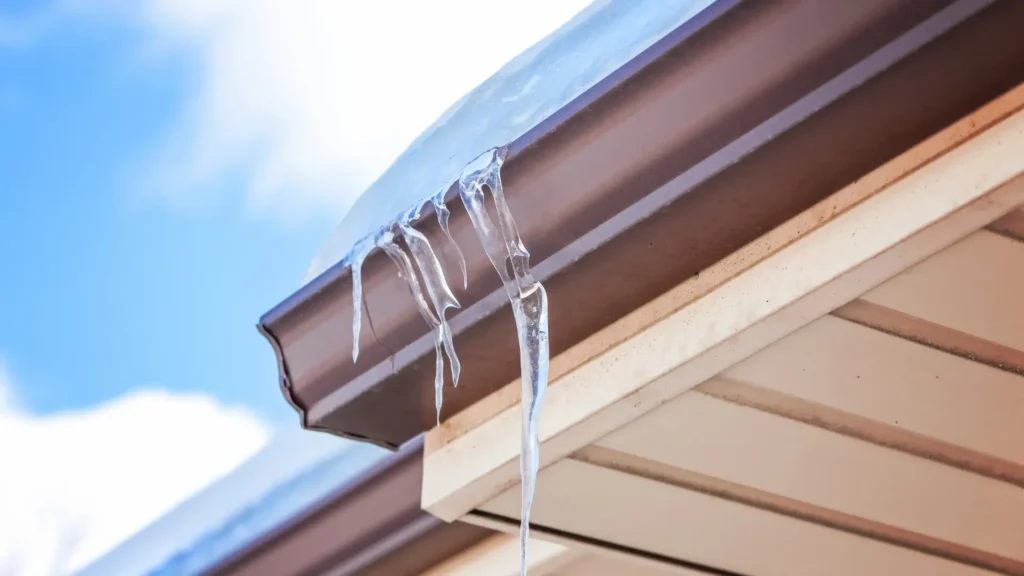
If you have ever dealt with icicles along the eaves or a leak that appears only during melts, you already know how unforgiving a Toronto winter can be. One of the best protective upgrades for many roofs is ice-and-water shield, especially at vulnerable edges and valleys.
If you are researching this option, Dominion Roofing’s ice and water shield installation page outlines what it is, where it goes, and why correct installation is critical.
What ice and water shield actually does
Ice-and-water shield is a self-adhering membrane installed under shingles in targeted areas. It is designed to seal around fasteners and resist water intrusion when meltwater backs up, such as during ice dam conditions or wind-driven rain events.
Some homeowners refer to this as ice-and-water roofing, but the important point is that it is not a standalone “roof type.” It is part of a system that supports shingles, flashing, ventilation, and drainage.
Where this membrane matters most on Toronto roofs
In Toronto and the GTA, the most common high-risk areas include:
- Roof edges at the eaves
- Valleys where two roof planes meet
- Around skylights, chimneys, and penetrations
- Low slope transitions and dormer areas
Dominion Roofing’s post on Elements of a Premium Roof: Ice and Water Shield breaks down placement details and explains why edges and transitions deserve extra attention.
Why ice dams happen and why the membrane is only part of the fix
Ice dams typically form when heat escapes into the attic, warms the roof deck, and melts snow. That meltwater runs down to colder eaves and refreezes, creating a ridge that traps water behind it.
Ice and water shield helps prevent water entry when that backup happens, but the long-term fix often involves attic insulation and ventilation improvements as well.
Natural Resources Canada has a useful overview in its guide to roofs and attics as part of keeping heat in, especially when it comes to how insulation and airflow affect winter roof performance.
Installation quality matters more than most people expect
This is one area where small mistakes have big consequences. Poor overlap, wrinkles, gaps at joints, or incorrect placement relative to the drip edge can reduce effectiveness.
If you are planning a re-roof or a major repair, this is a smart time to discuss upgrades like membrane placement, ventilation balancing, and edge protection details. Dominion Roofing’s roof repair Toronto team can walk through what makes sense for your roof style and risk profile.
When should you consider adding ice-and-water shield?
Most homeowners start considering it after a winter leak, but it can also make sense if:
- Your roof has recurring ice dam issues
- You have complex roof lines, valleys, or dormers
- You are re-roofing and want better eave protection
- You have had leaks around penetrations like skylights
If you are already addressing ice damming, Dominion’s ice damming roof repair Toronto resource can help you understand what the repair should include, beyond just patching the symptoms.
A practical approach for February planning
February is often when problems show up, but it is also a good time to plan spring work. A quick inspection now can identify whether you need a targeted repair, improved drainage and ventilation, or a full replacement plan later in the season.
To book an assessment, start with Dominion Roofing’s contact page.
FAQs
Is ice-and-water shield required everywhere on the roof?
Not always. Many roofs only need it in specific vulnerable areas, like eaves and valleys.
Can you add it without replacing shingles?
Usually, it is installed during re-roofing, though some targeted repairs may allow partial installation in problem areas.
Will ice-and-water shield stop ice dams?
It helps prevent leaks caused by ice dams, but the best results come from addressing insulation and ventilation as well.


