Winter has a way of exposing roofing problems that looked minor a few months earlier. A shingle that lifted in January, a small flashing gap around a vent, or a slow leak near the eaves can all look very different once the snow is gone and spring rain starts to move through. For many homeowners, that is when the question becomes more urgent. Is this something that can be repaired, or is it time to replace the roof altogether?
The right answer depends on more than one symptom. Age matters. So does how widespread the damage is, whether leaks are isolated or recurring, and whether the roof system is still doing its job as a whole. Booking a professional roof inspection early in the season is usually the fastest way to move from guesswork to a clear plan.
How Spring Changes The Conversation
Spring is when roofing issues become easier to spot. Snow cover is gone, shingles are visible again, and the freeze-thaw stress of winter starts to show itself in more obvious ways. What looked like a one-off ceiling stain in February may turn out to be a weak point around flashing, a vent penetration, or worn shingles that have been letting in moisture for longer than expected.
That is one reason spring is such an important decision point. If the problem is localized and the rest of the roof is still in solid condition, targeted work may be enough. Dominion’s roof repair Toronto service is built for exactly that kind of situation, whether the issue involves shingles, flat sections, skylights, or drainage-related trouble.
When A Repair Usually Makes Sense
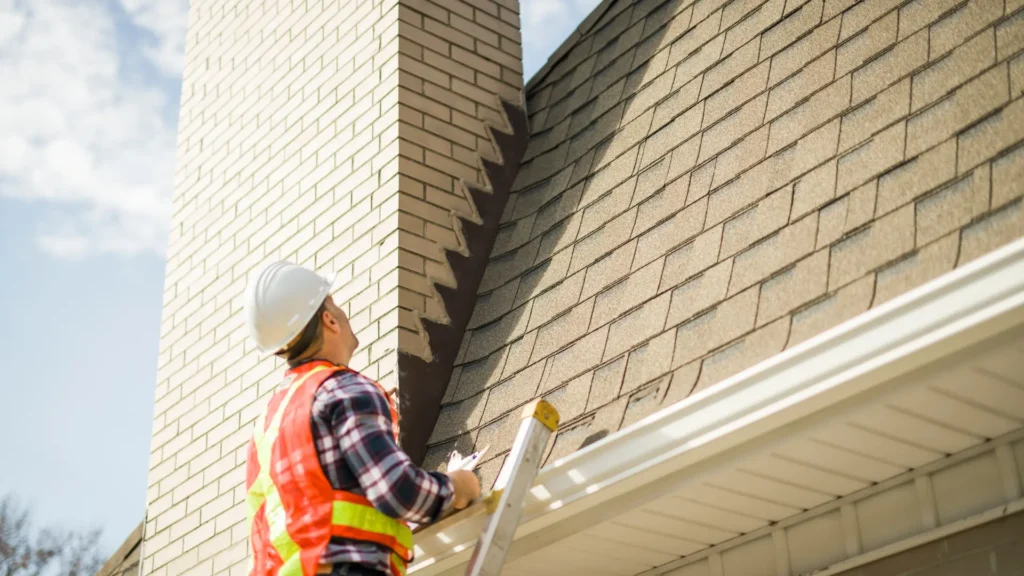
A repair is often the right choice when the damage is limited, recent, and clearly defined. Maybe a few shingles cracked after a wind event. Maybe flashing around a chimney has lifted. Maybe water is entering around one skylight, but the rest of the roof is performing normally. In cases like these, a well-executed repair can restore protection without forcing you into a larger project before it is necessary.
This is especially true if the roof still has useful life left and the underlying structure is sound. Dominion’s recent post on Winter Roof Tune-Up: Why Now Is the Time to Get Your Roof Ready Before the Snow Hits makes a helpful point here. Small issues like cracked flashing, loose fasteners, and exposed nail heads rarely stay small for long. Catching them early is often what keeps a repair from turning into a replacement conversation.
When Replacement Starts To Make More Sense
There comes a point when repairing one area no longer solves the bigger problem. If your roof has repeated leaks in different places, visible wear across broad sections, or shingles that are brittle, curling, or shedding granules in multiple areas, replacement is often the smarter long-term decision.
The same is true when you are paying to patch the roof every season. Repeated repairs can feel like the cheaper route, but they often become more expensive over time if the overall system is already near the end of its service life. In that situation, a planned roof replacement can save money, reduce disruption, and give you more confidence heading into the next Ontario winter.
What Age Still Tells You
No homeowner should base this decision on age alone, but age still matters. Roofing materials wear differently depending on ventilation, exposure, workmanship, and maintenance history. A roof that is older and now showing multiple symptoms deserves a more serious review than a newer one with one isolated defect.
Broken shingles, cracked sealant joints, and broader signs of wear should be addressed promptly, especially as roofs age. That lines up with what Dominion sees on spring inspections. By the time damage is obvious from the ground, there is often more happening than homeowners realize.
Look Beyond The Shingles
One of the most common mistakes homeowners make is focusing only on what they can see from the curb. The shingles matter, of course, but they are only one part of the system. Spring is also the time to check the condition of flashing, roof penetrations, skylights, eavestroughs, and the attic below.
This is where Dominion’s blog Choosing the Right Roofing Company for You offers a point worth carrying into this decision. A good contractor does not just throw out a price. They explain the scope, break out what is included, and help you compare repair versus replacement with the total cost of ownership in mind. That matters because the right choice is not just about today’s invoice. It is about what you are likely to face over the next five to ten years.
Get A Scope, Not A Guess
If you are standing in your driveway trying to judge the future of your roof from a few visible stains or missing shingles, you are not alone. But spring roofing decisions are too expensive to make based on guesswork. Ontario’s own guide to hiring a roofer reminds homeowners to protect themselves by researching contractors, getting written details, and making sure the scope is clear before work begins.
That advice becomes even more important when you are deciding between a moderate repair bill and a full replacement. A proper assessment should tell you whether the issue is isolated, whether hidden decking or moisture damage is involved, and whether targeted work is likely to hold or simply buy time.
The Best Spring Decision Is The One That Fits The Roof You Actually Have
Some roofs need a few smart repairs and a fresh season of maintenance. Others are telling you, clearly, that patching is no longer the responsible answer. The goal is not to force replacement too early, and it is not to delay it so long that interior damage becomes part of the project.
If winter left behind leaks, lifted shingles, drainage problems, or signs of wear that are getting harder to ignore, spring is the right time to get answers. Contact our team for a professional assessment which can help you make the right call while the problem is still manageable.
FAQs
How do I know if my roof can be repaired instead of replaced?
If the problem is isolated and the rest of the roof is still in good condition, a repair is often enough. Widespread wear, repeated leaks, or structural concerns usually point toward replacement.
Is spring a good time for roofing work?
Yes. Spring is one of the best times to inspect winter damage, address leaks, and plan larger work before summer schedules fill up.
Can repeated small leaks mean I need a new roof?
They can. A single leak does not always mean replacement, but recurring leaks in different areas often suggest the roof system is wearing out as a whole.
Should I wait until the leak gets worse before deciding?
No. Small roofing issues often become more expensive once moisture reaches insulation, decking, or interior finishes. Early assessment almost always gives you more options.